What Does A Normal Period Look Like?
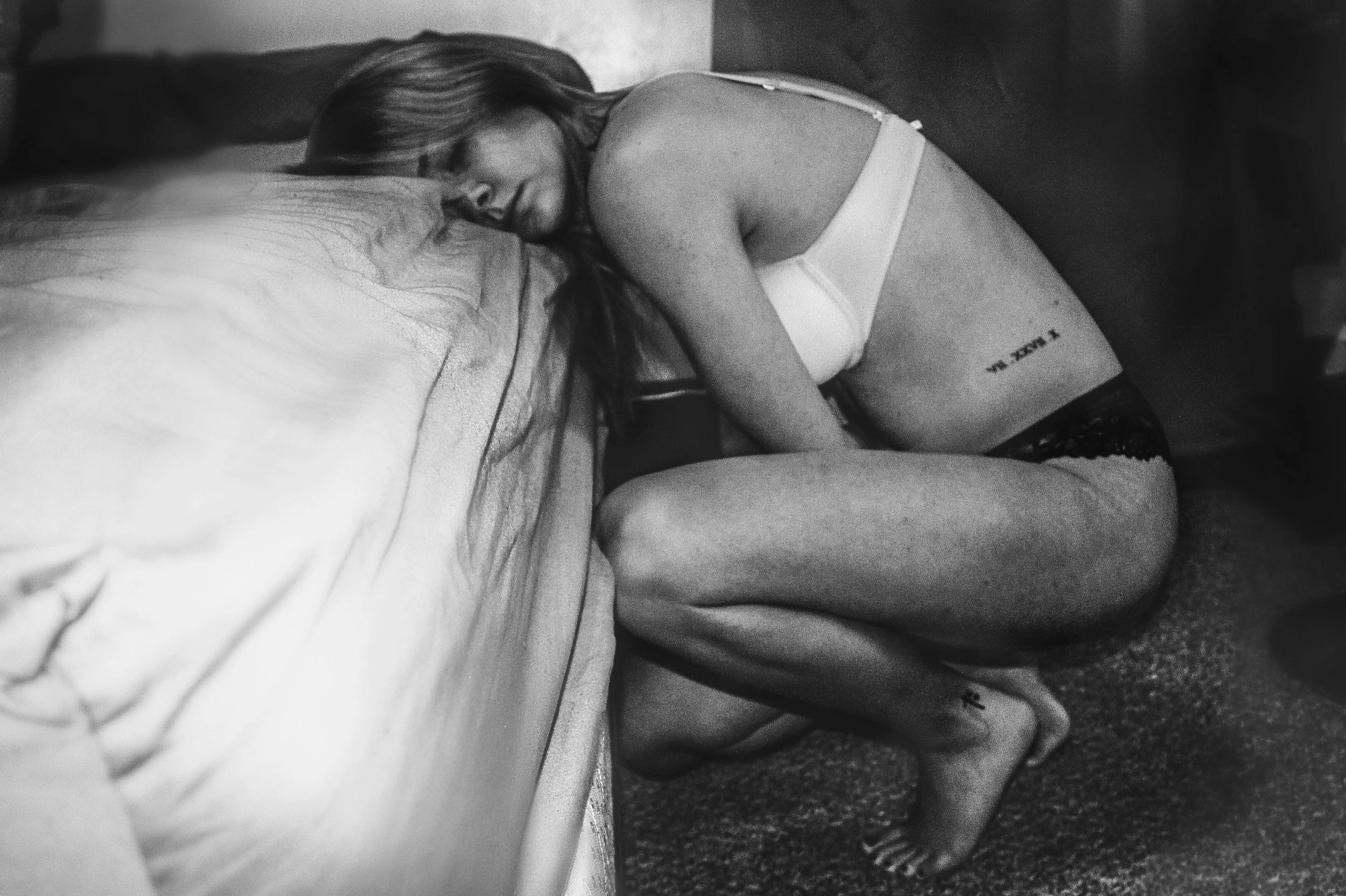
I could have named this blog: Did You Know It’s Not Supposed to Hurt?
My work doesn’t just exist for people who are ready to rip away their uterus. It’s for women whose period hurt, in general.
And sadly, that is a lot of women.
But because we’ve normalized pain around menstruation, a lot of women don’t realize their hormones are off of balance. They think it’s normal to struggle once a month.
“That’s just what being a woman is like.”
Now, let me be very clear: If you’re having an uncomfortable period, it doesn’t mean that you’re broken.
But it for sure doesn’t mean you’re supposed “suck it up buttercup” and learn to live with it as it is.
Because that’s not what your period is supposed to feel like.
A “normal” period (meaning, the way your body naturally wants to and is programmed to experience a period) is symptom-free:
What is not normal, but common
Pain before and during your period
Mood swings, or feeling ungrounded in your emotions
Feeling exhausted
Waking up in the middle of the night
Bloating and constipation that makes you feel really uncomfortable
Etc
What is normal
At the same time every cycle, you wake up and start bleeding
You’re not feeling uncomfortable
The flow of your bleed is manageable with a few (3 to 4) pads/tampons/menstrual underwear a day
Your bleed is cranberry red throughout the entire week, and lets lighter at the end of it
Your menstrual week lasts from 4 to 7 days, but it doesn’t stop your life in its tracks. You can still live normally, feeling good about yourself
No cramps, no symptoms.
You might feel a little warmth between legs. You might also feel blood trickling down if your uterine muscles are sensitive.
You might feel slightly more introverted, craving some calmer activities and self-care, warmer meals, and slower movement. But this is because your brain structure is different at that time of the month, and is more capable of introspection, and craves warm and slow.
None of this should disrupt your daily rhythms.
That is what a normal period should look like.
Anything that deviates from this is a sign that something is off. It could be a lack of nutrients, a high level of inflammation, a dysregulated nervous system, a struggling organ, and much more.
Often, the symptoms indicate the imbalance.
For example, cramps indicate that the body needs to produce more prostaglandins to release your uterine lining. This means the lining is too thick to be shed on it’s own, and that means too many estrogens were produced or circulated in the body at the time of the construction of the lining.
In short, cramps are a sign of too many estrogens.
While mood swings are a sign of progesterone deficiency.
By following the symptom, we may see what went wrong in the first place, and are able to shift things to bring balance back into the system.
Of course, it can end up being quite complex. It’s rare that things come as isolated. Stress rarely comes on its own, for example. And we all know and feel this.
But when we learn to read symptoms, the map back to radiance becomes so much clearer.
Symptoms stop feeling like a curse, and we start to reclaim how our womanhood shows up in our body every month.
If your period doesn’t fall into the “normal” category, you are not alone!
You can find more support to understand what is happening, and what to do about it, at spotlessgirl.com.
If you have questions, please feel free to send me an email at audreygerber@spotlessgirl.com.
Stay radiant!